Workload, Joys, and Advice for Students: What It’s Like to be a Rural PA
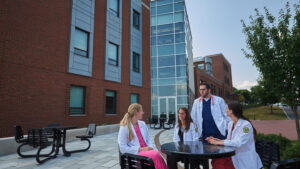
The idea of practicing medicine in a small town or rural community may conjure up images of close-knit relationships, long hours, and limited resources. But what is it really like to be a Physician Assistant in these settings? Two 妻友社区 PA alumni, Jessica DeCourcey 鈥�19 and Kristin Suchowiecki 鈥�13, recently shared their experiences working in rural New York. Here鈥檚 what they had to say about the challenges, the joys, and the advice they have for students considering a similar path.
Insights from Our PA Alumni Who Serve Rural Communities
One of the biggest differences between rural and urban medicine is access to specialists. In rural settings, PAs often manage conditions that might otherwise be referred out in cities. This means rural PAs need to be confident handling a broad range of cases.
鈥淲e try to do as much as we can before referring out because patients face long wait times and transportation issues,鈥� Jessica explained. 鈥淔or example, if a patient needs to see a specialist in Syracuse, it could be months before they get in, so we manage what we can in primary care.鈥�
Both Jessica and Kristen see 16鈥�20 patients per day, balancing a mix of chronic disease management, urgent care, and preventive medicine. One advantage of their roles is having an administrative day built into their schedules, allowing them to focus on paperwork, follow-ups, and professional development.
One of the biggest differences between rural and urban medicine is access to specialists. In rural settings, PAs often manage conditions that might otherwise be referred out in cities. This means rural PAs need to be confident handling a broad range of cases.
鈥淲e try to do as much as we can before referring out because patients face long wait times and transportation issues,鈥� Jessica explained. 鈥淔or example, if a patient needs to see a specialist in Syracuse, it could be months before they get in, so we manage what we can in primary care.鈥�
Both Jessica and Kristen see 16鈥�20 patients per day, balancing a mix of chronic disease management, urgent care, and preventive medicine. One advantage of their roles is having an administrative day built into their schedules, allowing them to focus on paperwork, follow-ups, and professional development.
Rural patients often face significant challenges in accessing healthcare鈥攆rom transportation to cost to insurance coverage.
Kristin shared a story of a patient who struggled to afford diabetes medication. 鈥淢ail-order pharmacies were an option, but the patient didn鈥檛 have a phone to set it up. Another patient had no car and relied on friends for rides to appointments. These barriers make delivering care more complex.鈥�
Jessica echoed the importance of understanding a patient鈥檚 full situation鈥攏ot just their medical history, but their financial, logistical, and social constraints. 鈥淲e spend a lot of time explaining why referrals are necessary, helping patients figure out how to get to their appointments, and adjusting treatment plans based on what鈥檚 realistic for them.鈥�
Rural patients often face significant challenges in accessing healthcare鈥攆rom transportation to cost to insurance coverage.
Kristin shared a story of a patient who struggled to afford diabetes medication. 鈥淢ail-order pharmacies were an option, but the patient didn鈥檛 have a phone to set it up. Another patient had no car and relied on friends for rides to appointments. These barriers make delivering care more complex.鈥�
Jessica echoed the importance of understanding a patient鈥檚 full situation鈥攏ot just their medical history, but their financial, logistical, and social constraints. 鈥淲e spend a lot of time explaining why referrals are necessary, helping patients figure out how to get to their appointments, and adjusting treatment plans based on what鈥檚 realistic for them.鈥�
Despite the challenges, both Jessica and Kristen love their work. The deep patient relationships and sense of community make a huge difference.
鈥淚 treat entire families鈥攇randparents, parents, kids. I love hearing life updates when patients come in,鈥� Jessica shared. 鈥淭here鈥檚 a strong sense of mutual respect. They know care is limited in the area, and they appreciate what we do.鈥�
Kristin agreed, adding, 鈥淚 feel like I know everyone in Canastota. It makes my job more meaningful because I see firsthand the impact of my care in the community.鈥�
Despite the challenges, both Jessica and Kristen love their work. The deep patient relationships and sense of community make a huge difference.
鈥淚 treat entire families鈥攇randparents, parents, kids. I love hearing life updates when patients come in,鈥� Jessica shared. 鈥淭here鈥檚 a strong sense of mutual respect. They know care is limited in the area, and they appreciate what we do.鈥�
Kristin agreed, adding, 鈥淚 feel like I know everyone in Canastota. It makes my job more meaningful because I see firsthand the impact of my care in the community.鈥�
For students considering rural healthcare, both alumni had practical advice:
- Choose the Right Rotations: 鈥淭ry to get a rural primary care rotation so you can see if this work is right for you,鈥� Kristin recommended.
- 听Ask Smart Job Interview Questions: 鈥淔ind out if your employer offers support for new grads, administrative time, and mentorship,鈥� Jessica advised.
- Embrace Continuous Learning: 鈥淚n rural settings, you鈥檒l need to manage a wide range of conditions. Stay curious and keep expanding your knowledge,鈥� Kristin added.
For students considering rural healthcare, both alumni had practical advice:
- Choose the Right Rotations: 鈥淭ry to get a rural primary care rotation so you can see if this work is right for you,鈥� Kristin recommended.
- 听Ask Smart Job Interview Questions: 鈥淔ind out if your employer offers support for new grads, administrative time, and mentorship,鈥� Jessica advised.
- Embrace Continuous Learning: 鈥淚n rural settings, you鈥檒l need to manage a wide range of conditions. Stay curious and keep expanding your knowledge,鈥� Kristin added.
Take a Deeper Dive
Is Rural Medicine for You?
Being a PA in a rural community is not for everyone. It comes with unique challenges, but also deeply rewarding moments. If you鈥檙e passionate about building relationships, making a tangible impact, and working in a close-knit environment, rural healthcare could be an incredibly fulfilling career path.